



IndiGo Flight Crisis Sparks Judicial Scrutiny
A severe operational crisis at IndiGo Airlines has escalated into a national legal matter, with both the Supreme Court and the Delhi High Court now seized of petitions seeking urgent intervention. The disruption, described as one of the airline’s worst in recent years, has triggered widespread public outrage as passengers reported sudden cancellations, lack of communication, and inadequate assistance at major airports.
According to the petitions filed, the cascading cancellations impacted thousands of travellers, leading to missed international connections, financial losses, and compelling many to wait for hours without clarity on alternative arrangements. The petitions accuse IndiGo of failing to uphold its obligations under aviation regulations, prompting calls for judicial oversight.
What Triggered the Crisis
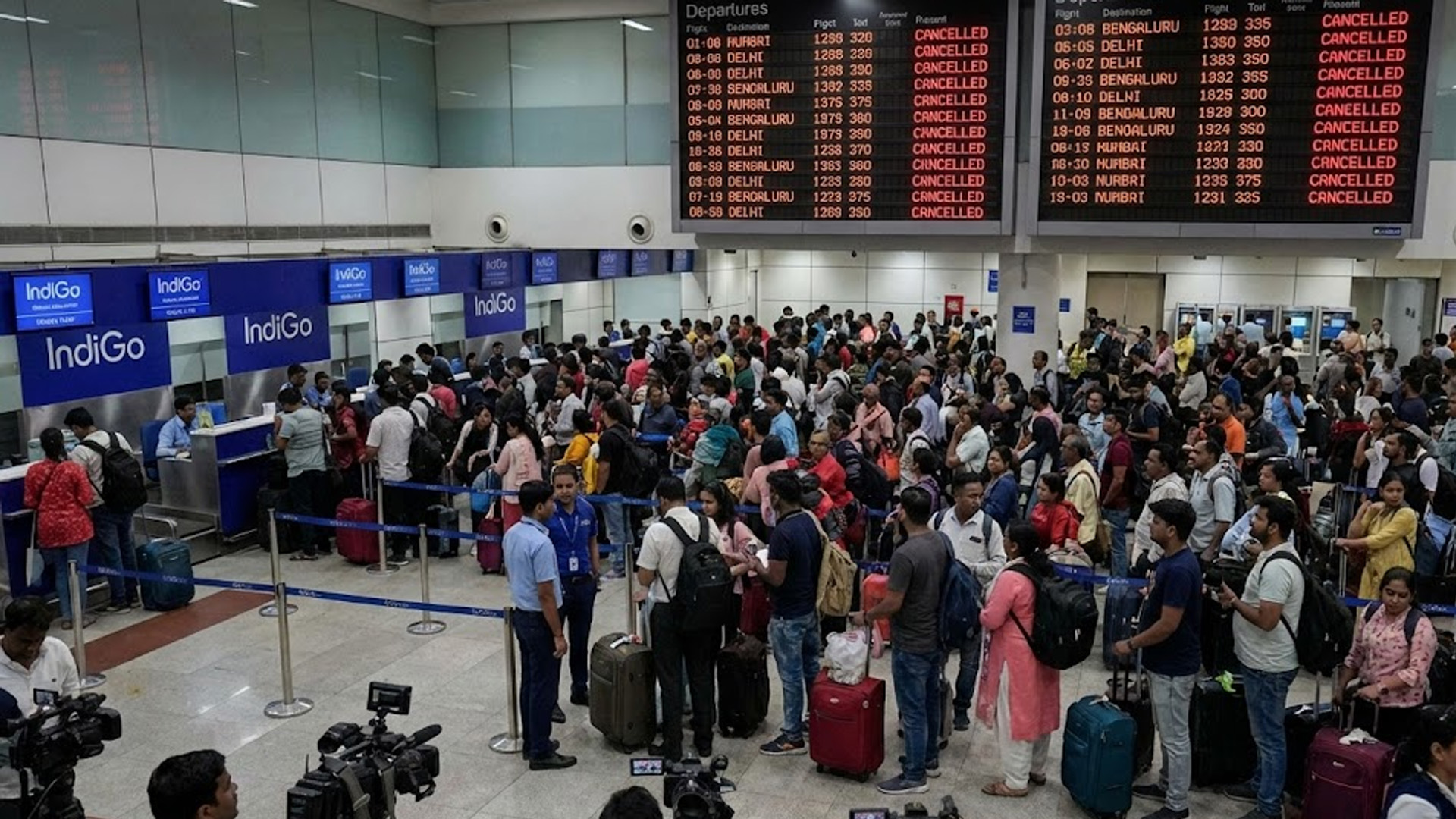
While the Directorate General of Civil Aviation (DGCA) has sought a detailed explanation from IndiGo, preliminary reports suggest the crisis stemmed from a combination of crew unavailability, internal scheduling issues, and operational mismanagement. Several flights were cancelled with minimal notice, and stranded passengers took to social media to share visuals of overcrowded terminals, chaotic queues, and lack of assistance from airline staff.
Industry experts note that the scale of the disruption indicates deeper systemic issues. The aviation sector has been under pressure due to increased travel demand, staffing constraints, and operational limitations. However, the volume of cancellations at a single carrier raised eyebrows among regulators and passenger rights groups.
Petitions Before Supreme Court
A public interest litigation (PIL) filed before the Supreme Court seeks a comprehensive inquiry into IndiGo’s operations leading up to the crisis. The petitioner argues that repeated disruptions by major airlines point to regulatory lapses and calls for the apex court to set guidelines ensuring accountability within the aviation sector.
The plea also demands that IndiGo offer full refunds, compensation for consequential losses, and immediate assistance to stranded passengers. It further requests the court to direct the DGCA to publish transparent data on airline disruptions and enforce stricter penalties for non-compliance.
The Supreme Court is expected to list the matter for hearing shortly, given the urgency highlighted in the petition.
Delhi High Court Takes Cognizance
Parallel to the Supreme Court PIL, the Delhi High Court has received petitions from individual passengers who suffered extensive losses due to flight cancellations. One petitioner, who was scheduled to travel for medical treatment abroad, alleged that the airline’s last-minute cancellation caused life-threatening delays. Another petitioner sought compensation for missed business meetings and hotel bookings.
The Delhi High Court has asked IndiGo and the DGCA to respond to the allegations and clarify the steps taken to address passenger grievances. The court also posed questions regarding the airline’s crew management system, contingency planning, and whether adequate emergency protocols were in place.
DGCA’s Response and Possible Enforcement Actions
The DGCA has confirmed that it is examining IndiGo’s flight rosters, crew deployment data, and communication logs from the days leading up to the cancellations. Sources within the regulator suggest that penalties may be imposed if safety or compliance violations are detected.
The aviation watchdog has faced criticism for adopting what some describe as a reactive approach to passenger distress. The current crisis has reignited debates over the need for stronger consumer protection frameworks in the aviation industry.
Impact on Passengers Nationwide
Several airports—including Delhi, Mumbai, Bengaluru, and Hyderabad—reported scenes of confusion as passengers scrambled to rebook flights or secure hotel accommodations. Many alleged that IndiGo’s help desks were overwhelmed, leaving them without guidance for hours.
Travel agencies also reported a spike in demand for last-minute tickets on competing airlines, leading to fare surges that further burdened stranded passengers.
Calls for Structural Reform
Aviation analysts argue that frequent disruptions highlight the fragility of the ecosystem within which Indian airlines operate. Industry unions have warned that crew fatigue, staffing shortages, and operational overstretch are becoming increasingly common.
Legal experts believe that the ongoing court proceedings may lead to judicial directives aimed at strengthening consumer rights, improving airline accountability, and mandating clearer communication protocols during crises.
What Happens Next
Both the Supreme Court and the Delhi High Court are expected to hear the petitions in the coming days. The outcomes could shape future regulatory practices and set new precedents for airline conduct in India.
For now, IndiGo continues to restore normal operations while facing public pressure, regulatory scrutiny, and legal challenges that could have lasting implications for the aviation sector.