




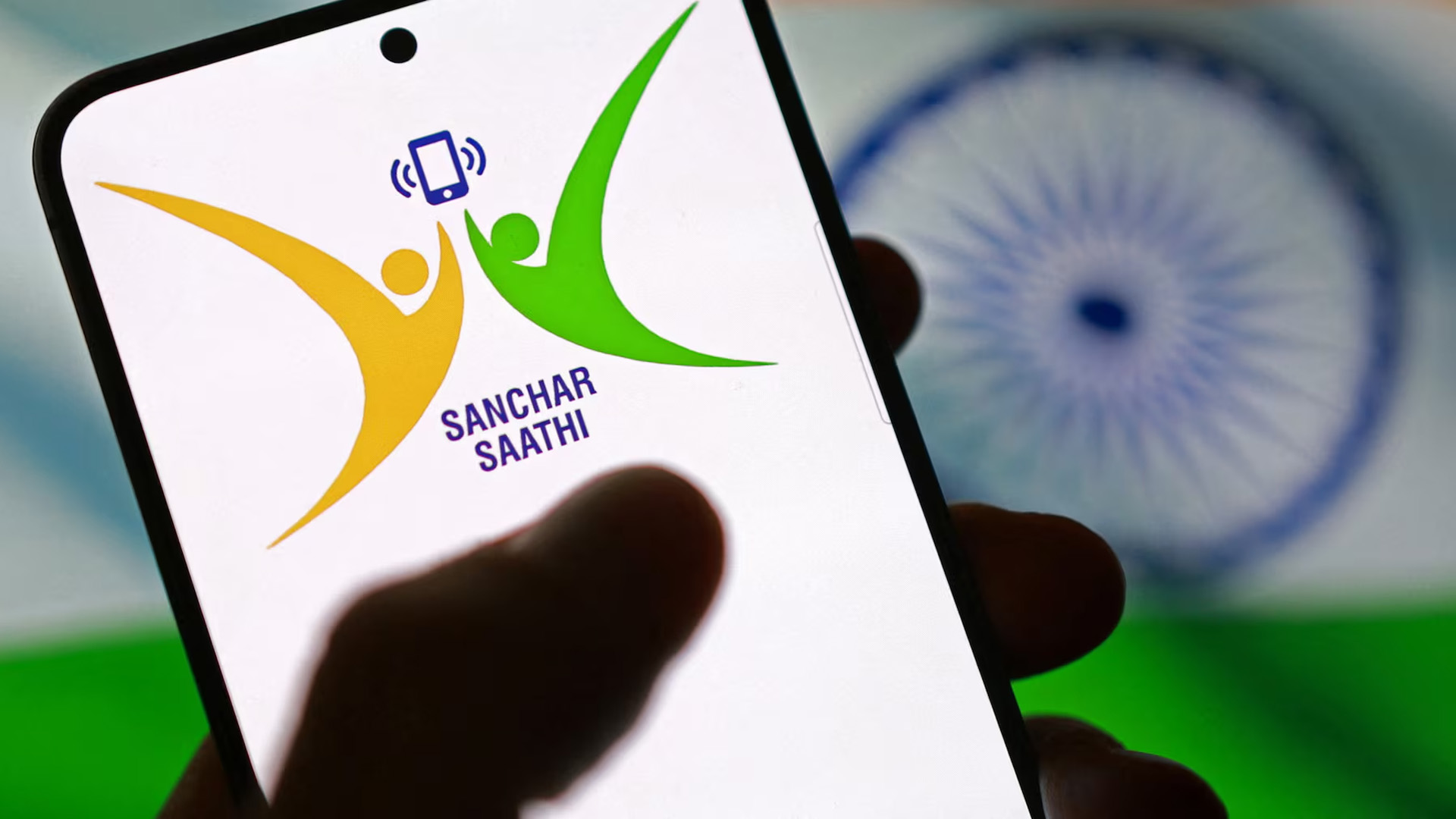
In a stunning U-turn, the Indian government on December 3 — barely days after issuing a directive — revoked its mandate requiring all smartphone manufacturers to pre-install a state-owned cybersecurity app on new devices. The app — Sanchar Saathi — had sparked a fierce outcry over privacy and surveillance concerns, prompting mass protests from political parties, privacy activists, and global tech firms.
What Was the Original Order?
On November 28, India’s telecom ministry quietly instructed major smartphone makers — including Apple, Samsung, Xiaomi, and others — to ship all new phones with the Sanchar Saathi app pre-loaded and “enabled on first setup.” The directive also required that the app remain non-removable. For existing phones, companies were asked to push the app via software updates.
The government defended the move as a measure to combat rising cybercrime, block stolen phones, and prevent misuse of fake or cloned devices using duplicate IMEI numbers. Sanchar Saathi, launched in 2023, offers users tools to check if multiple mobile connections are linked to their name — helping thwart identity-based scams — and to block lost or stolen phones through IMEI blacklisting.
Backlash: Privacy, Surveillance and Consent
Almost immediately, critics — including top opposition leaders — dubbed the move an “invasion of privacy” and a disguised attempt to enable state surveillance on millions of users.
A senior leader from the main opposition party demanded that Parliament debate the directive, calling it a “breach of fundamental privacy rights.” Lawmakers asked why the government believed it had the authority to force a non-removable app on private devices.
Privacy advocates and digital-rights experts raised alarm over possible “backdoors” — suggesting that the app, if forced onto every phone, could become a tool for mass surveillance or censorship. Some drew uncomfortable parallels with similar mandates in authoritarian regimes.
Major smartphone makers also pushed back. Sources told news agencies that companies like Apple were not prepared to comply with such a blanket directive, citing user privacy and device-security policies.
Government’s Quick Reversal
Faced with mounting pressure from politicians, civil society and the global tech industry — and a brewing regulatory backlash — the government backed down. On December 3, the telecom ministry formally announced it would no longer require Sanchar Saathi to be pre-installed on all new devices. Instead, consumers can download and install it voluntarily.
According to the statement, the app had already gained substantial voluntary traction — with around 600,000 downloads since the controversy erupted — making the mandate unnecessary.
What This Means for Users and Privacy
- Users regain the right to choose — they can now opt to install or skip the app.
- Smartphone makers avoid having to comply with an order that seemingly violated user-consent norms and raised global corporate-policy issues.
- Privacy advocates hail the rollback as a win for civil liberties and a blow against potential mass surveillance.
- The government’s abrupt policy flip, however, raises questions about regulatory transparency and whether such mandates can resurface under different forms.
The Larger Picture: Trust, Tech and Regulation
The Sanchar Saathi episode underscores a broader tension: balancing cybersecurity and fraud prevention on the one hand, and individual privacy and consent on the other. It also shows how global tech firms’ internal policies and user-rights pressures can influence national regulations — especially in major markets like India.
For regulators, the episode might serve as a cautionary tale: digital-safety tools must be accompanied by clear transparency, opt-in consent, and robust privacy safeguards — especially when they have the potential to access sensitive personal data.
For users, it’s a reminder to stay alert about their digital rights, to demand clarity when governments — or companies — push for mandatory “safety” tools, and to prioritise consent.