



As winter tightens its grip across northern India, the city of Ghaziabad — part of the National Capital Region (NCR) — is bracing itself for a sharp and severe cold spell expected to begin around December 15. According to a recent local alert, residents may soon experience a significant drop in temperatures, compelling authorities and citizens alike to prepare for an early-onset winter chill.
Early Cold: Warning Signals
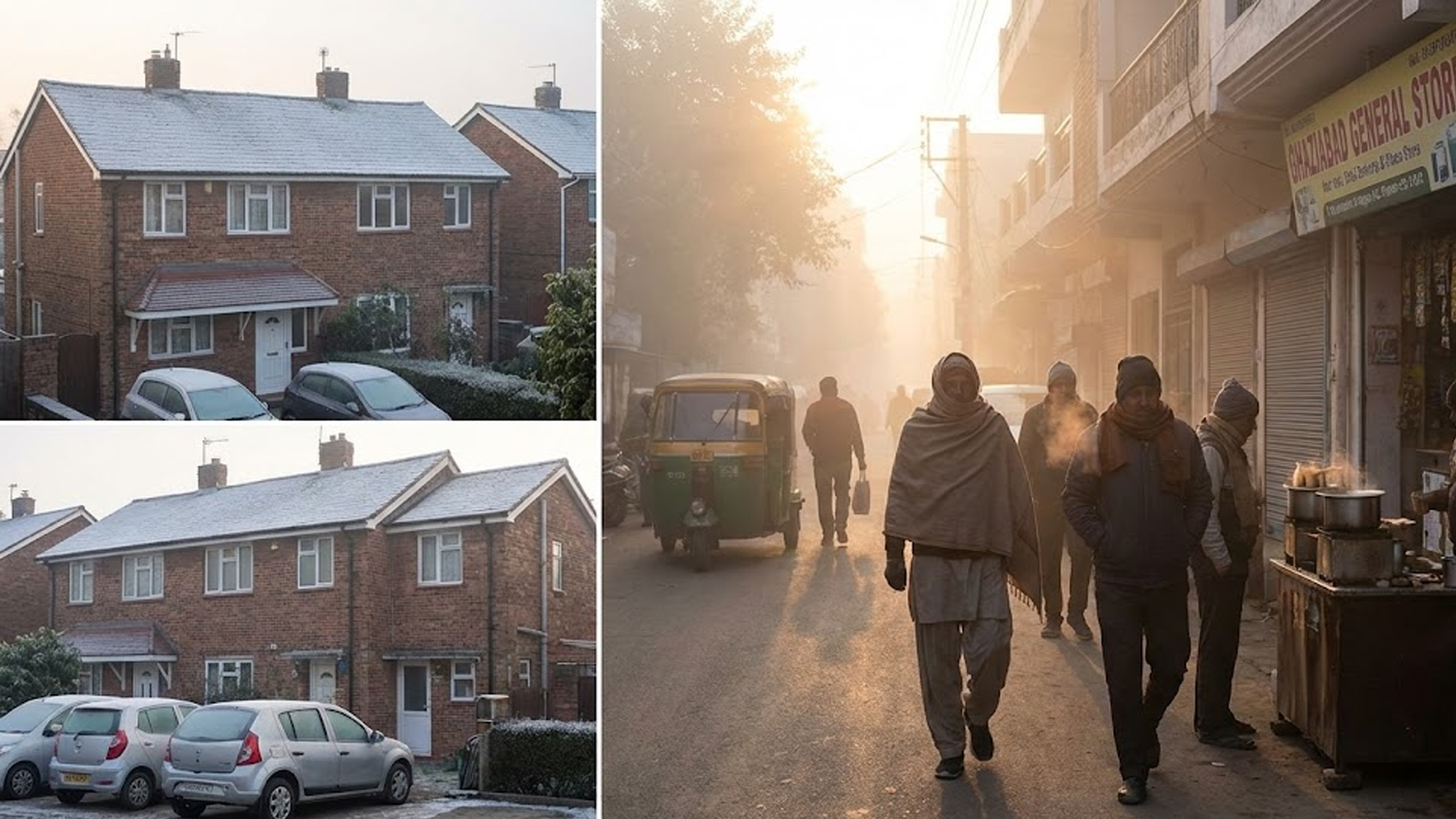
Local meteorological and weather-watch organisations have issued advisories indicating a possible cold wave sweeping through Ghaziabad and neighbouring regions. The coming days are likely to see marked reductions in night-time lows, with potential for frost, especially in open and low-lying areas. The arrival of cold northwesterly winds is anticipated to further accentuate the chill, making evenings and early mornings particularly biting.
This alert comes amid region-wide predictions for a colder-than-normal winter. According to the India Meteorological Department (IMD), large parts of central and northwestern India — including Delhi, western Uttar Pradesh, Haryana, Punjab and adjoining areas — are expected to register below-normal day and night temperatures between December 2025 and February 2026. The IMD also forecasts an increase of around 4–5 additional cold-wave days compared to typical winters.
Impact on Daily Life and Health
For many residents of Ghaziabad — especially those living in poorly insulated homes or informal settlements — this early cold wave poses a threat. The sudden drop in temperature may exacerbate health risks including respiratory problems, joint pains, and vulnerability for elderly people and children. There are also concerns about discomfort for labourers, street vendors, and daily-wage workers who spend extended periods outdoors.
In addition, colder nights often mean increased use of indoor heating sources without adequate ventilation — which can worsen air quality. The twin challenge of cold and pollution will likely test both individual and public health preparedness this winter.
What Authorities and Residents Should Do
Health experts and urban planners recommend several precautionary measures:
- Ensure proper insulation of windows and doors; seal leaks to keep the cold out.
- Use warm bedding, blankets, and winter clothing — especially in the early hours and late nights.
- Avoid open-fire heating indoors; if electric heaters or radiators are used, ensure proper ventilation.
- Monitor daily weather forecasts and heed any further advisories from local authorities or IMD.
- Pay special attention to vulnerable groups — children, elderly, people with respiratory or chronic illnesses.
Local civic bodies and neighbourhood associations are being urged to open “warm-shelter” facilities — particularly for those living in informal settlements — to help them ride out the cold spell safely.
Regional Climate Patterns: A Colder Than Usual Winter
The expected cold wave in Ghaziabad reflects a broader weather trend across north and central India this winter. Experts have warned of “below-normal” temperatures continuing through February 2026, with a higher number of cold-wave days compared to previous years.
Simultaneously, other NCR regions — including neighbouring New Delhi — have already registered unusually low night-time temperatures this week. For instance, New Delhi recorded a minimum of 5.7 °C recently, one of the lowest early-December readings in over a decade.
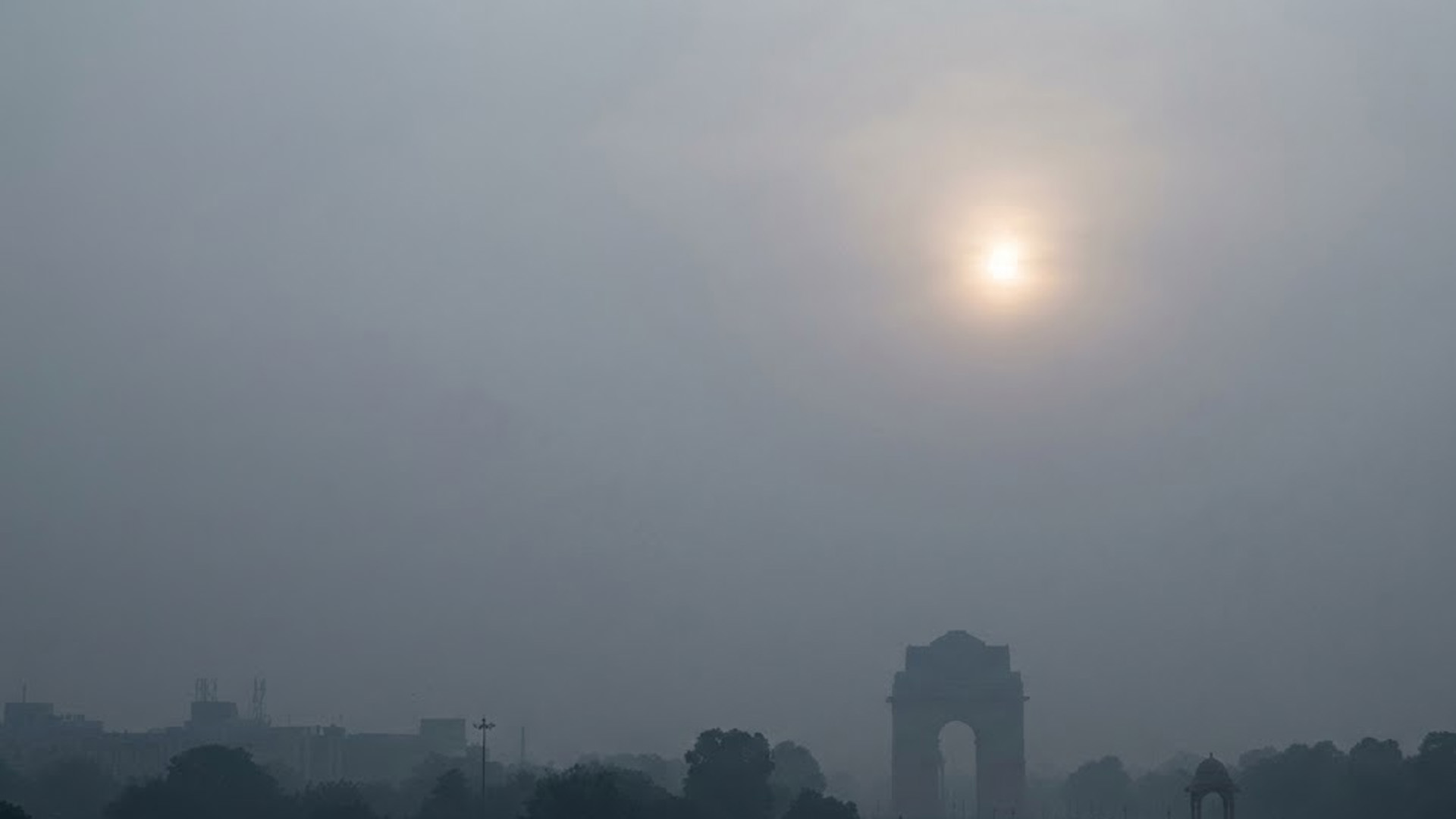
This early onset of harsh cold, coupled with worsening air quality and possible fog, may disrupt daily life — from commuting to outdoor work, morning routines to school timings. Travellers and daily commuters may need to factor in delayed or slowed transport due to early-morning fog or icy conditions.
What This Means for Ghaziabad Residents
For many in Ghaziabad, this winter may feel harsher than usual. The alert for severe cold from mid-December signals that residents should prepare now — before the thin air, biting winds and plummeting temperatures catch many off guard.
Parents might need to ensure children are dressed appropriately for chilly mornings, night-shift workers should take extra care, and those living in congested low-income areas should explore temporary shelter or heating solutions. Civic agencies and volunteers might also need to coordinate support — especially for vulnerable citizens — to avoid health hazards and discomfort.
While the cold can bring festive warmth — with cosy clothes, hot teas and winter treats — the early chill is also a reminder that preventive measures and community awareness can make a big difference in staying safe and comfortable.