



New law takes effect, major platforms impacted
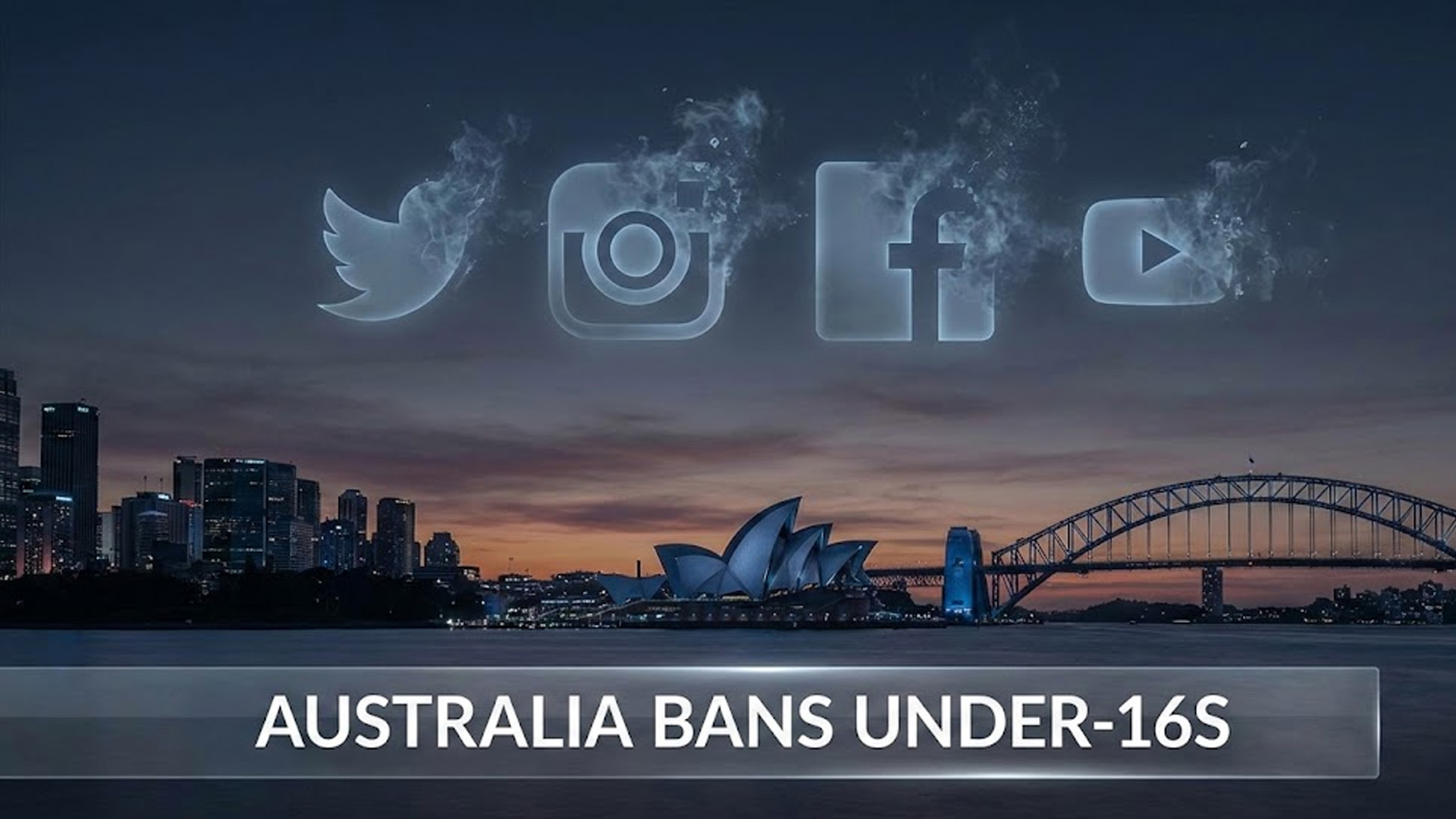
As of December 10, 2025, the new age-based social media restrictions under the Online Safety Amendment have come into force across Australia. The law mandates that top social media platforms such as Facebook, Instagram, TikTok, YouTube, Snapchat, X (formerly Twitter), Reddit, Twitch, and a few others must block users under 16 or risk fines up to A$49.5 million (≈ US$33 million).
The law — passed in November 2024 — does not provide exemptions even for parental consent.
What changes for teens and tech companies
From today, accounts identified as belonging to users under 16 will be suspended or disabled. Platforms will also be prevented from allowing them to register new accounts.
For many platforms:
- YouTube will log out under-16 users — they can still view content while logged out, but cannot like, comment, upload, or personalise their experience.
- Meta–owned services (Facebook, Instagram) along with TikTok, Snapchat etc. must implement “reasonable age-assurance mechanisms” — such as video selfies, document upload or other verification tools.
Tech companies have voiced concern: for instance, YouTube argues the ban removes protections like parental-control tools and may make children less safe when logged out.
Why Australia pushed for the ban
The government — led by Anthony Albanese and supported by regulators such as the eSafety Commissioner — frames the ban as a measure to safeguard youth from mental-health risks, cyberbullying, misinformation, and harmful content on social media.
Proponents argue this marks a paradigm shift: “time for kids on the football field, not scroll fields,” in the words of the government.
Concerns, criticism and potential loopholes
Critics — including civil-liberty and digital-rights advocates — have warned the ban could isolate teens, impede free expression, and push under-16s toward less-regulated, potentially unsafe corners of the internet.
Concerns have also been raised about the practicality and fairness of age verification. For instance:
- Age-verification methods (video selfies, ID) may fail or be bypassed.
- Platforms’ compliance remains uneven; some may lag in enforcement or attempt to circumvent restrictions.
- Teens may shift to exempted apps or use VPNs to evade the ban — pushing the problem beyond regulation.
Legal challenges are reportedly being prepared against the law, with arguments citing the right to political communication and privacy concerns under Australia’s constitution.
Global reactions and ripple effects
The decision has drawn worldwide attention. Several countries — including those in Europe and Southeast Asia — are now reportedly evaluating similar age-based regulations on social media, citing Australia’s move as precedent.
Even within Australia, the move has sparked mixed reactions: while many parents welcome stricter online-safety norms, some families and youth advocacy groups fear disconnection and loss of digital literacy among teens.
Communications Minister Anika Wells has defended the law, stating that platforms — not parents or children — bear responsibility for enforcement; the shift marks a “cultural reset” in how youth interact with the internet.
What Happens Next
Regulators will monitor compliance — platforms will have to report monthly on the number of removed under-16 accounts, at least for the next six months.
An academic advisory group will also be convened to evaluate the short- and long-term social, educational, and mental-health impact of the ban, studying factors like screen time, school performance, social relationships and well-being.
Meanwhile, tech companies that find the law untenable may pursue legal challenges; some platforms (or their parent companies) have already indicated opposition or are raising concerns about unintended harms, privacy, and free expression.
For now, Australia’s bold experiment presents both a test case and potential template — but its long-term success will depend heavily on transparent enforcement, robust safeguards, and monitoring to balance youth protection with digital rights.