


Parliamentary uproar over electoral reforms
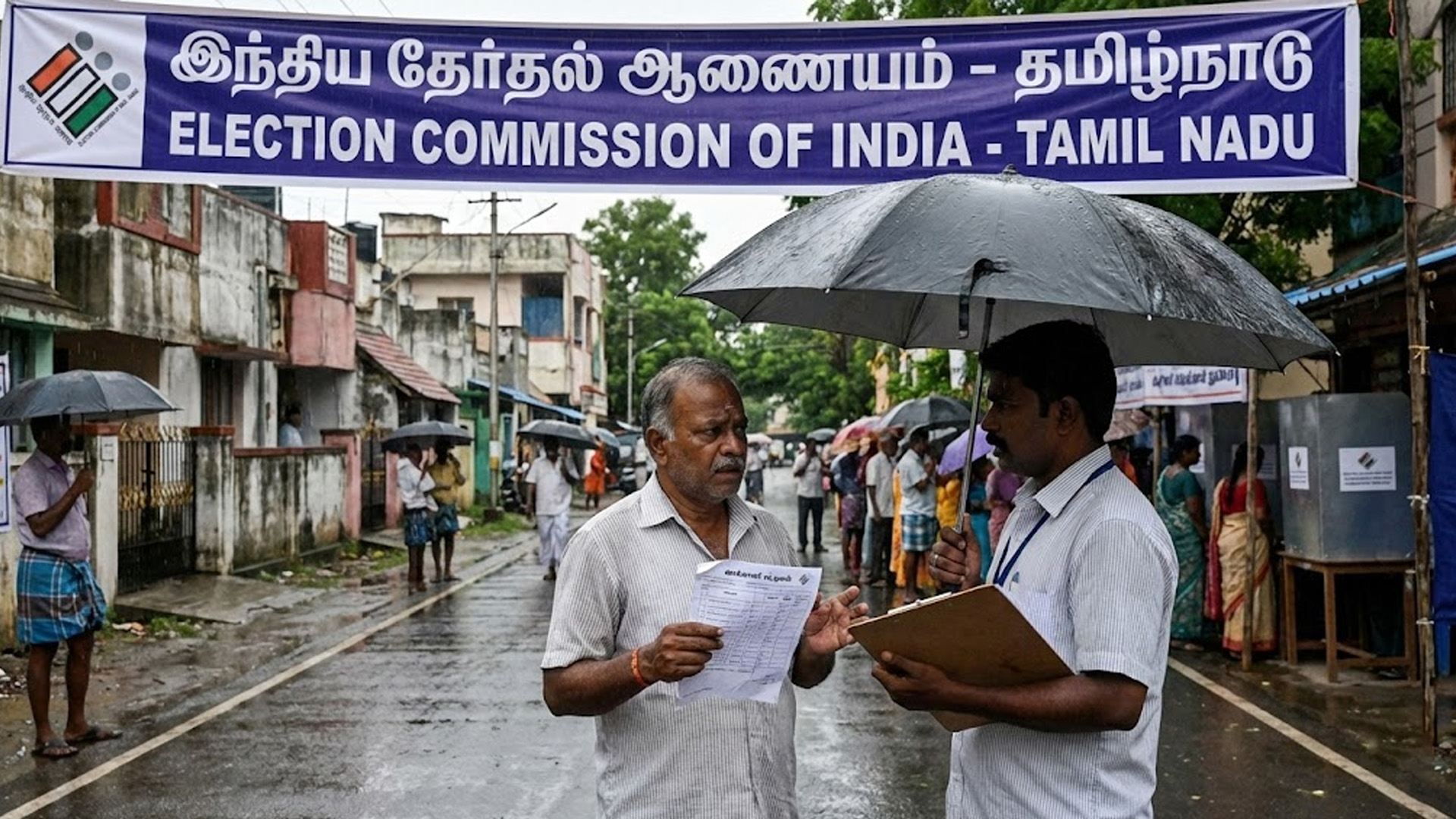
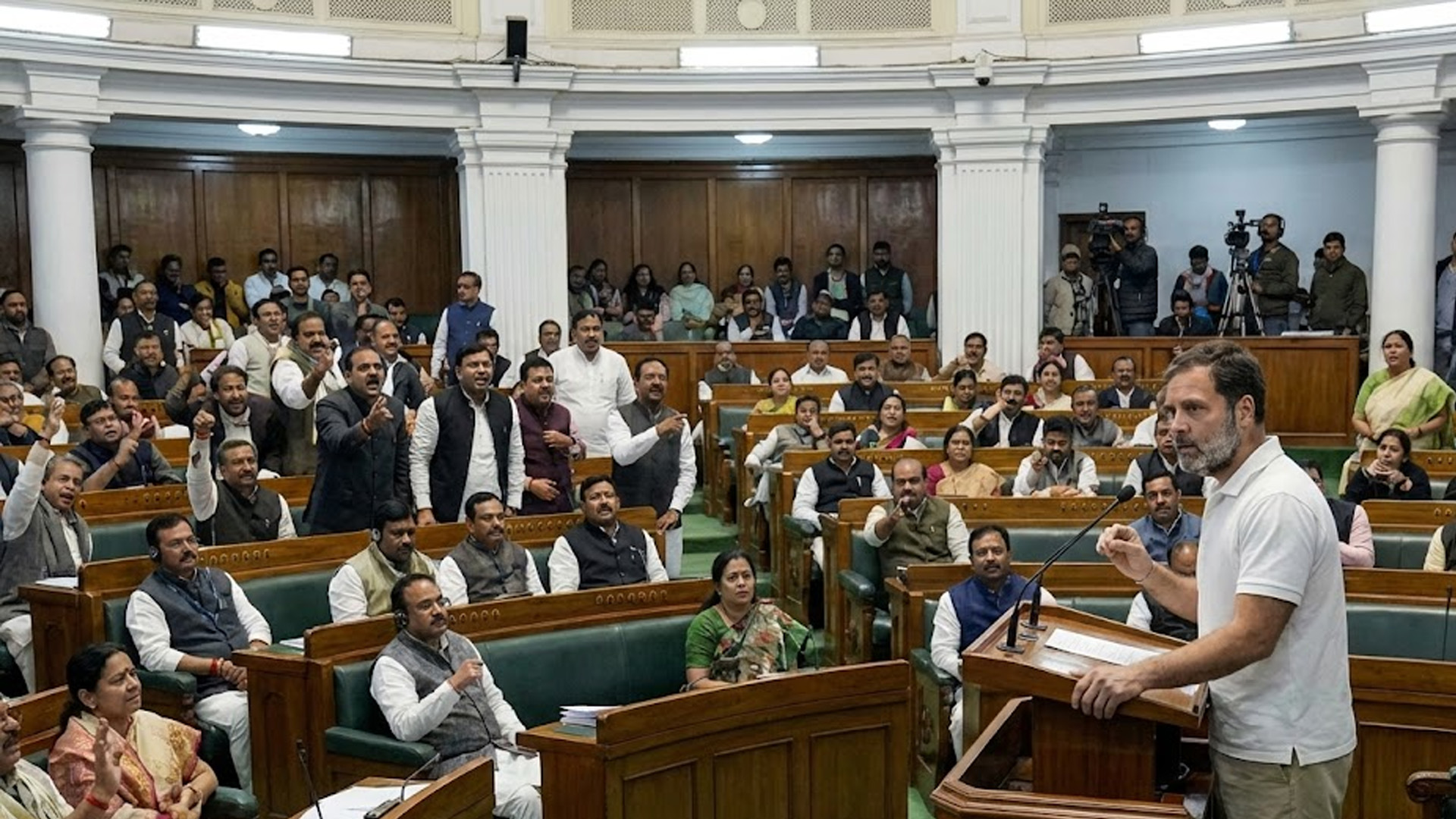
During the ongoing debate on electoral reforms in Lok Sabha, Rahul Gandhi accused the Election Commission of India (EC) of institutional capture and bias. He alleged that the EC had failed to respond to concerns raised repeatedly by the Opposition.
He argued that electoral campaigns are being tailored in favour of the ruling party led by Narendra Modi, and called this an attack on the fundamental right to vote.
What Rahul Gandhi demanded — and proposed
Rahul Gandhi outlined several key reforms he believes are essential for restoring faith in India’s electoral process:
- Publication of the full voters’ list to all political parties at least one month before elections.
- Prevention of destruction of CCTV footage used during polls — specifically querying why new rules (from May 30, 2025) allow the EC to erase such footage just 45 days after results.
- Full transparency of voting machinery: access to Electronic Voting Machines (EVMs) and their internal architecture.
- Elimination of what he called “immunity shields” for the EC: he pointed out a 2023 law that — in his words — protects EC members from punishment for actions taken while in office.
He declared: “We will come looking for you,” indicating that if his party comes to power, the law governing the EC will be changed, and alleged perpetrators of “vote theft” will be held accountable.
Accusations: “Vote theft”, duplicate voters, institutional capture
As part of his speech, Gandhi alleged wide-scale manipulation of electoral rolls — pointing to instances of duplicate voters, bulk entries under a single address, fake addresses, and misuse of Form 6 (for first-time voters). He singled out the contested 2024 elections and assembly polls in states like Karnataka and Bihar as examples.
He also took aim at the EC’s composition, questioning why the Supreme Court of India-appointed panel — which earlier used to include the Chief Justice — was replaced. This, he argued, allowed the ruling party to hand-pick commissioners, undermining the EC’s independence.
Further, he criticized a recent rule change allowing deletion of CCTV footage after 45 days post results — calling it suspicious and warning that such practices facilitate unaccountable vote manipulation.
Opposition versus Government — What’s next
The ruling side and allied parties reacted sharply. During the debate on electoral reforms, the Treasury benches accused the Opposition of undermining democratic institutions and questioned whether the proposals were motivated by political losses rather than reformist intent.
Meanwhile, senior opposition voices — such as Manish Tewari — backed calls for changes to the structure and functioning of the EC. Tewari has proposed reinstating the former selection panel (including the Chief Justice and Leader of Opposition in Rajya Sabha) for appointing commissioners. He also demanded full counting of VVPAT slips (voter-verified paper audit trails) or a return to paper ballots — to enhance transparency.
If Rahul Gandhi’s warning is acted upon, the government may move to amend the existing 2023 statute — that governs appointment, tenure, and protections for EC officials.
Why it Matters
- The demand for retrospective changes to EC laws reflects deep distrust among the Opposition toward the current electoral oversight framework.
- Electoral reforms — including greater transparency in voter rolls, CCTV data retention, and EVM architecture — could redefine electoral accountability and credibility in India.
- Any amendments could reshape how future elections are conducted, including the composition and independence of the EC, and hence may influence political dynamics substantially.
- If implemented, reforms might also revive debates on broader systemic checks and balances, including judicial or bipartisan safeguards over election-related institutions.