



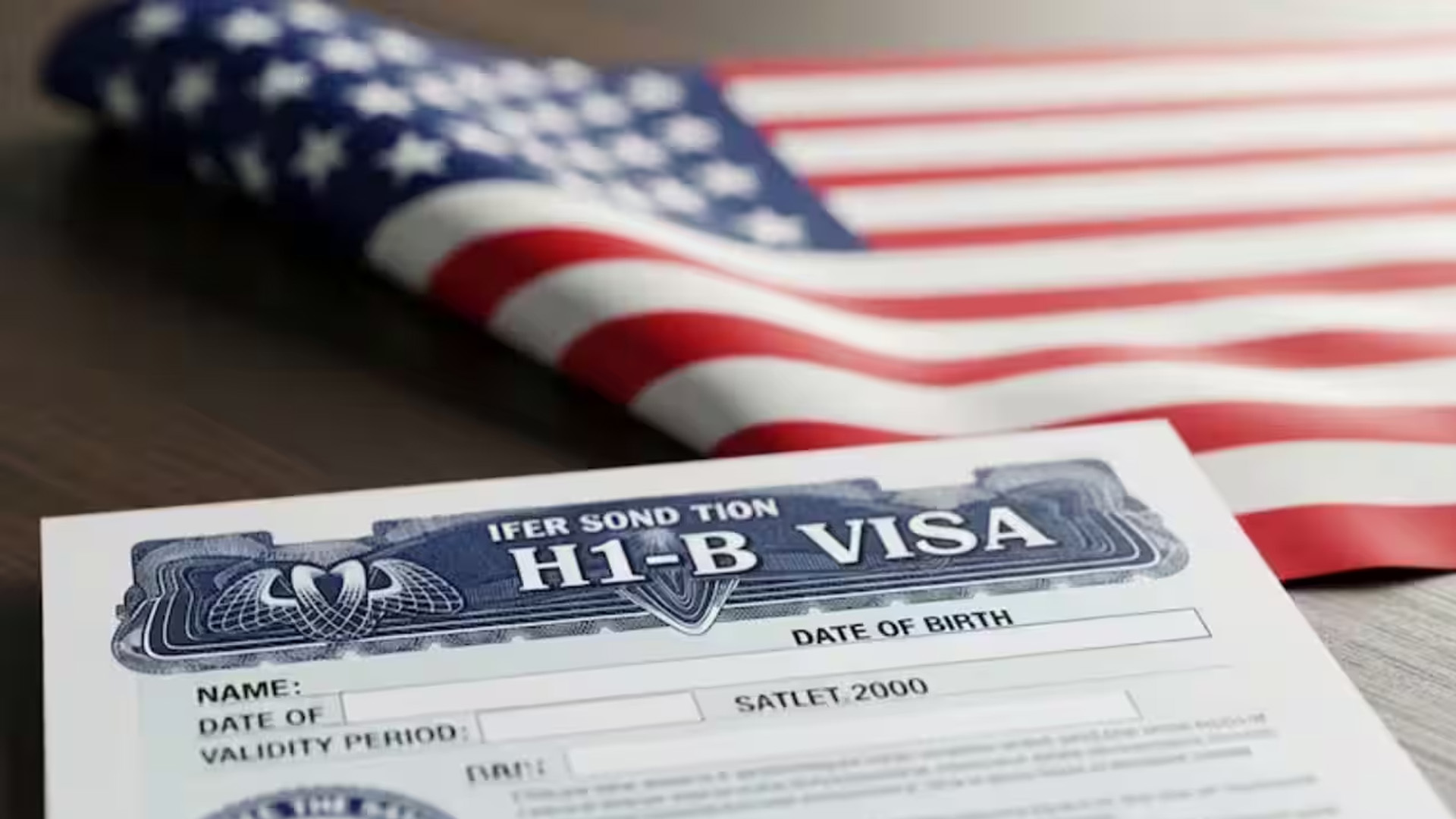
The U.S. under the current administration has once again tightened the rules for one of the most sought-after work visas by foreign professionals. On December 2, 2025, a memo from the U.S. Department of State was sent to all American consular missions globally: applicants for the H-1B visa — and their accompanying dependents — will now face “enhanced vetting”.
What Has Changed — What Is “Enhanced Vetting”
Under the new directive, consular officers are instructed to go beyond standard checks. This includes a detailed review of applicants’ resumes, LinkedIn or other professional profiles — and those of family members traveling with them.
Most significantly, if the candidate or any dependent has worked in certain types of jobs — such as content moderation, misinformation/ disinformation handling, fact-checking, online safety, compliance, or related areas — the application could now be flagged for possible rejection. The memo explicitly says that anyone “involved in censorship or suppression of protected expression in the United States” may be deemed inadmissible under the immigration law.
Previously, similar online-presence checks were reserved mostly for student visas, exchange visitors or certain categories; this is the first time that H-1B applicants and their H-4 dependents have been brought under such rigorous scrutiny.
Why This Matters — Who’s Affected
H-1B visas are a cornerstone for U.S. tech firms — especially in software, IT, content moderation, and data services — sectors that often employ workers from India, China, and other countries. For many Indian professionals, H-1B has been a gateway to working in Silicon Valley, major tech firms, or global IT service companies.
With these new rules:
- Applicants who worked in social-media moderation or online-safety roles (or even connected fields) could be denied — even if their job was legitimate and legal in their home country.
- Dependents (spouse/children) will also be closely screened — meaning families of prospective workers are no longer exempt from scrutiny.
- The application process is likely to become longer and more uncertain. “Enhanced vetting” could mean delays, extra background checks, and higher rejection rates.
Context: Part of a Larger Shift
This move comes on top of other major changes to the H-1B framework introduced earlier in 2025. In September, the same administration imposed a hefty US$ 100,000 fee for certain new H-1B visa petitions — a steep jump from previous levels.
Critics say these changes — fee hike and now enhanced vetting — represent a broader shift: from using H-1B as a tool for skilled migration to a more restricted, selective gate-keeping model.
Reactions — Concerns from Industry and Workers
The tightened vetting has sparked widespread concern among overseas job-seekers and global tech firms. Many argue that talent from countries like India will be disproportionately affected, especially those working in moderation, content-review, compliance, or other “behind-the-scene” tech roles.
Industry leaders warn that this could lead to delays, skill shortages, and disruptions in ongoing projects. For Indian IT professionals already navigating uncertain visa laws, this further layers uncertainty — not just for themselves, but also for accompanying families.
Moreover, the linkage to “censorship of free speech” makes the new rule controversial: a candidate might be denied visa not for wrongdoing, but simply because their job involved content moderation or compliance for a foreign platform — practices that are legal and common globally.
What Applicants Should Know — Key Advice
If you plan to apply for an H-1B visa (or are assisting someone who is):
- Review your entire employment history carefully. Jobs or roles related to content review, moderation, compliance, misinformation — even if legal in your country — could now trigger rejection.
- Be honest and thorough in your visa application, CV, LinkedIn or online profile. Any misleading or incomplete information now carries higher risk.
- Understand that hiring delays or outright denials are possible; plan accordingly, and consider alternatives (other countries, non-immigrant visas, remote work).
- If you have dependents (spouse/kids), ensure their information is also accurate — their profiles will also be reviewed.
- Stay updated on official guidance from the U.S. Department of State — these rules may evolve or get challenged legally.
What This Means for India and Global Tech Workforce
For India — the largest source country for H-1B visas — this move could significantly curtail the pipeline of tech workers to the United States. Many professionals in content moderation, social-media compliance, data labeling, AI-training, and similar jobs may see fewer opportunities abroad.
In the global tech industry, this could widen talent shortages, raise costs for companies relying on overseas skilled labour, and prompt a shift toward in-house hiring, local hiring, or near-shoring.
For many aspiring professionals, it means rethinking career plans, exit strategies, and long-term plans involving U.S. work visas.