



As winter deepens and temperatures drop, Central Pollution Control Board (CPCB) data shows that the air in the national capital has again turned dangerously polluted. On Wednesday morning, several monitoring stations recorded AQI (Air Quality Index) values soaring well beyond 400 — pushing large swathes of Delhi back into the “severe” pollution zone.
Smog Returns: Alarming AQI Readings
According to the data collected early Wednesday, at least 14 locations across the city showed “severe” pollution levels, with some of the worst-hit areas including Chandni Chowk and Nehru Nagar.
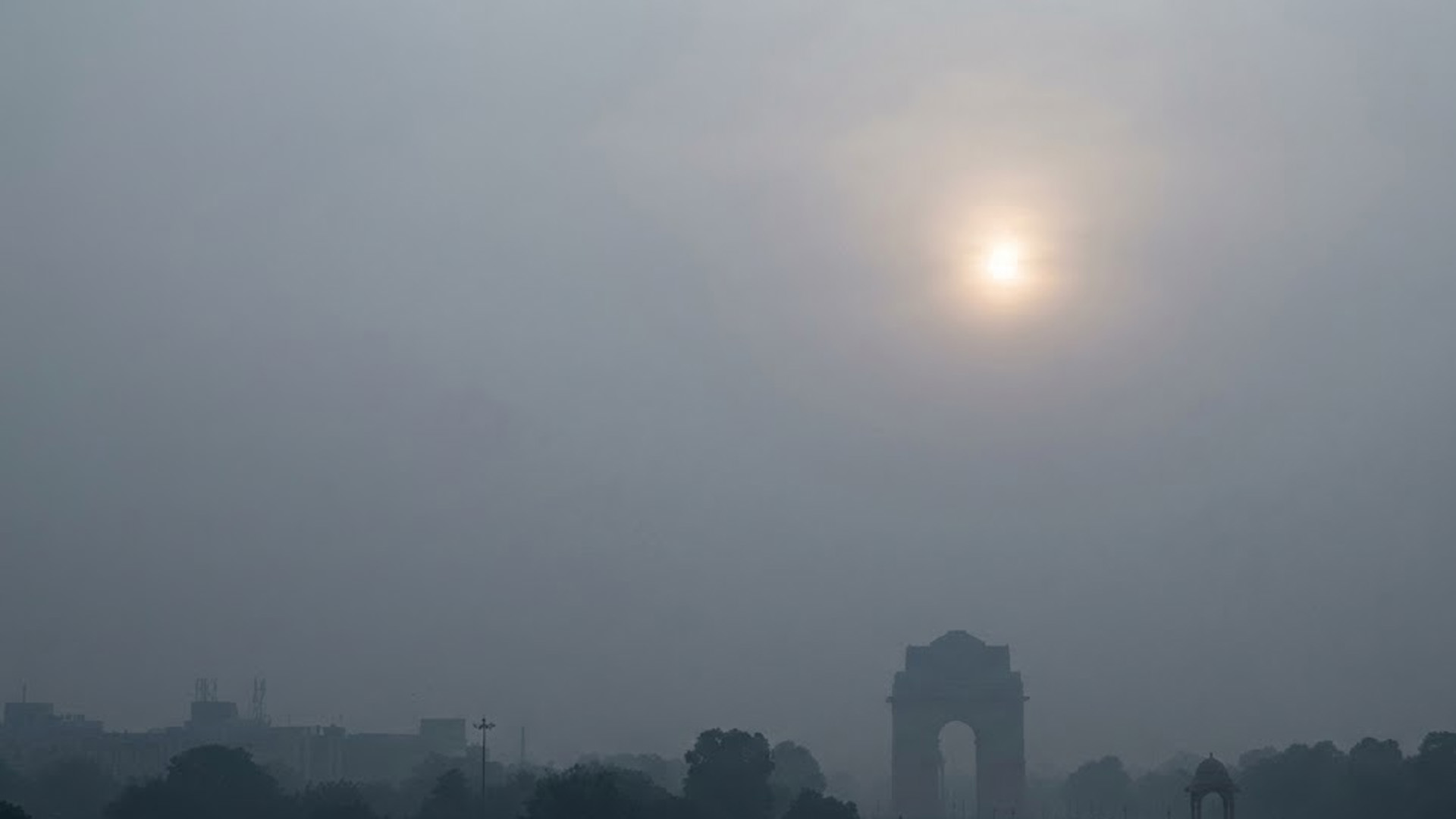
Overall, Delhi’s average AQI stood around 376 — already in the “very poor” range but dangerously close to hazardous. Many neighbourhoods simultaneously saw readings above 400, with certain pockets reporting levels above 430. Thick smog curled over the skyline, reducing visibility and enveloping the city in a choking haze.
What’s Behind the Pollution Surge
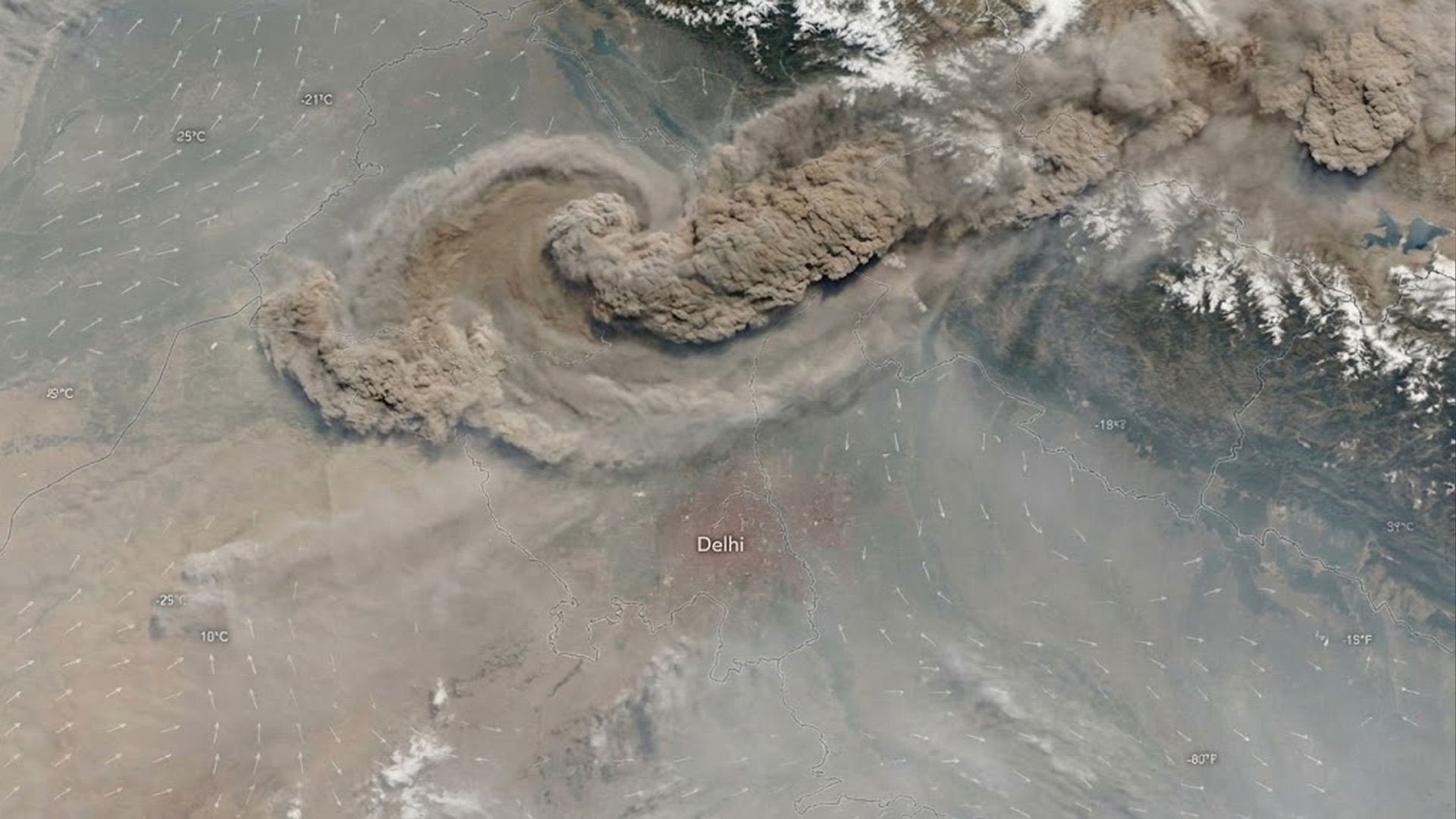
Winter-time conditions — falling temperatures, lower wind speeds, and a shallow atmospheric mixing layer — have combined to trap pollutants close to the ground, preventing dispersion. This seasonal phenomenon regularly amplifies pollution levels across Delhi and the larger NCR region.
Another key driver: vehicular emissions. A recent analysis highlighted that traffic-related emissions continue to be one of the main contributors to the pollution load, along with combustion sources, dust, and other urban pollutants.
While fire-cracker-related pollution or agricultural stubble burning — common triggers in earlier years — have been curbed to some extent, urban emissions and stagnant weather conditions are increasingly enough to push air quality into dangerous territory.
Health Risks and Public Reaction
The sudden spike in pollution poses serious health risks, especially for vulnerable groups such as children, the elderly, and those with pre-existing respiratory or cardiac conditions. Prolonged exposure to PM2.5, PM10 and other pollutants can aggravate asthma, trigger allergies, impair lung function, and even lead to more serious cardiovascular problems.
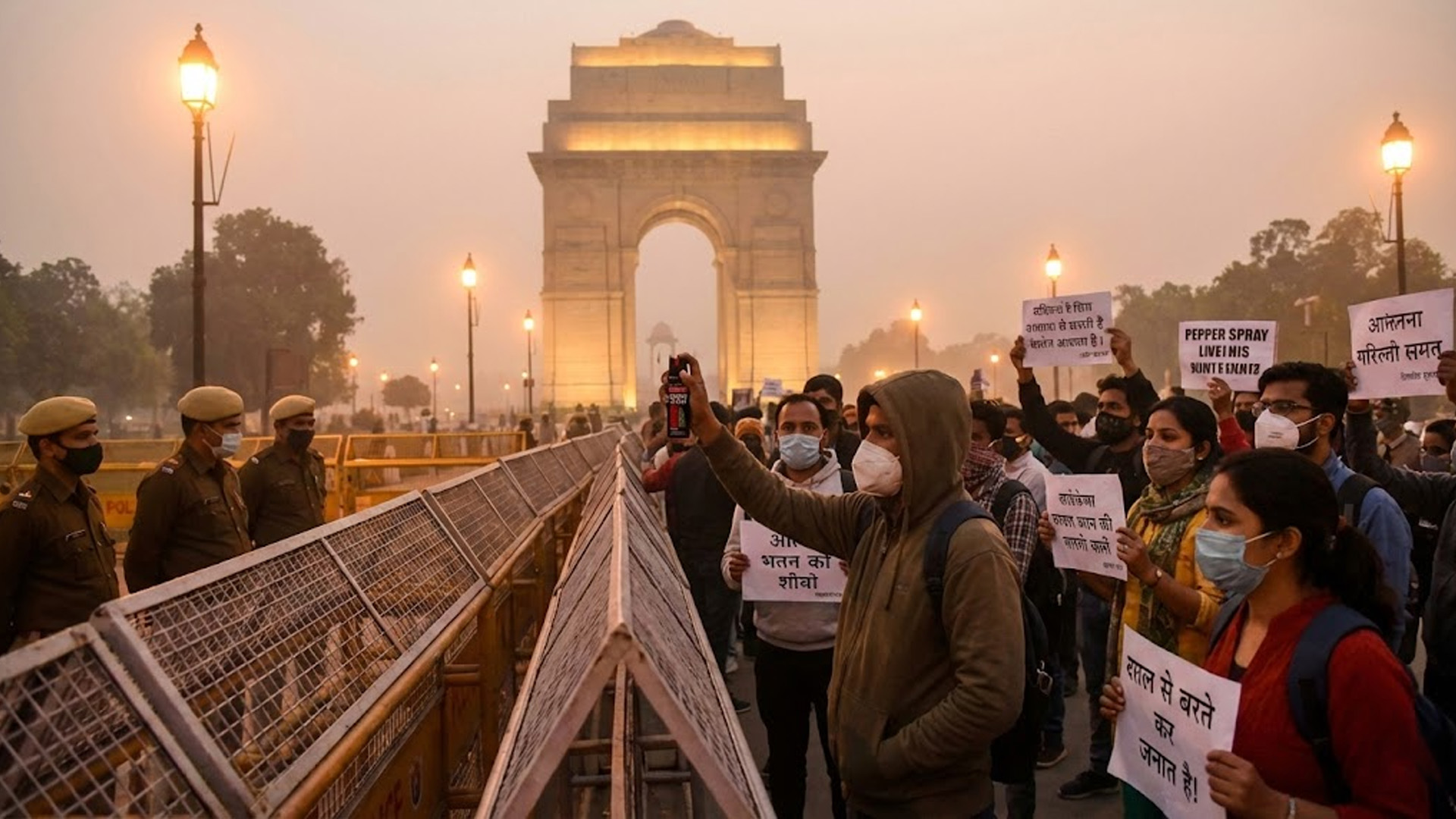
Amid rising health concerns, medical professionals have urged caution. As smog thickened, many Delhiites were seen wearing masks outdoors, avoiding unnecessary travel, and reducing outdoor activities — especially in the early morning and late evening hours when pollution readings peaked. Some parents reportedly restricted children from playing outside, while fitness enthusiasts paused their outdoor workouts.
Why This Year’s Spike Matters
Experts warn that this winter’s pollution surge may mark a worrying trend: urban air-quality deterioration being driven more by vehicular emissions and urban activity than traditional seasonal triggers like crop-burning.
This reflects a shift in the pollution pattern: while stubble-burning and seasonal factors remain relevant, the chronic contribution from traffic, vehicles, construction dust and urban emissions appears to be rising in relative importance over time.
For many Delhi residents, this means that even in years when traditional seasonal pollution triggers — like post-Diwali fire-crackers or crop-burning from neighbouring states — are limited, the city may still suffer toxic air episodes.
What Can Residents Do Right Now
Public health experts and environment bodies suggest a few practical precautions as Delhi grapples with this air-quality crisis:
- Reduce time outdoors, especially during early morning and late evening.
- Use N95/FFP-style masks when venturing outside — especially in high-traffic or high-pollution areas.
- Avoid unnecessary trips by foot or two-wheeler/vehicle; prefer essential travel only.
- Keep windows and doors closed at home, especially at night, to minimise indoor air pollution.
- Consider air purifiers and indoor plants if possible; keep indoor environment clean to reduce particulate ingress.
- Individuals with respiratory or heart conditions — children, elderly, pregnant women — should take extra care and consult physicians if symptoms like coughing, wheezing or throat irritation appear.
Some environment experts and advocacy groups are calling for urgent enforcement of long-term pollution control measures — stricter traffic emission norms, tighter regulation of construction and industrial dust, better public transport, and acceleration of green-cover initiatives — to address the root causes.