




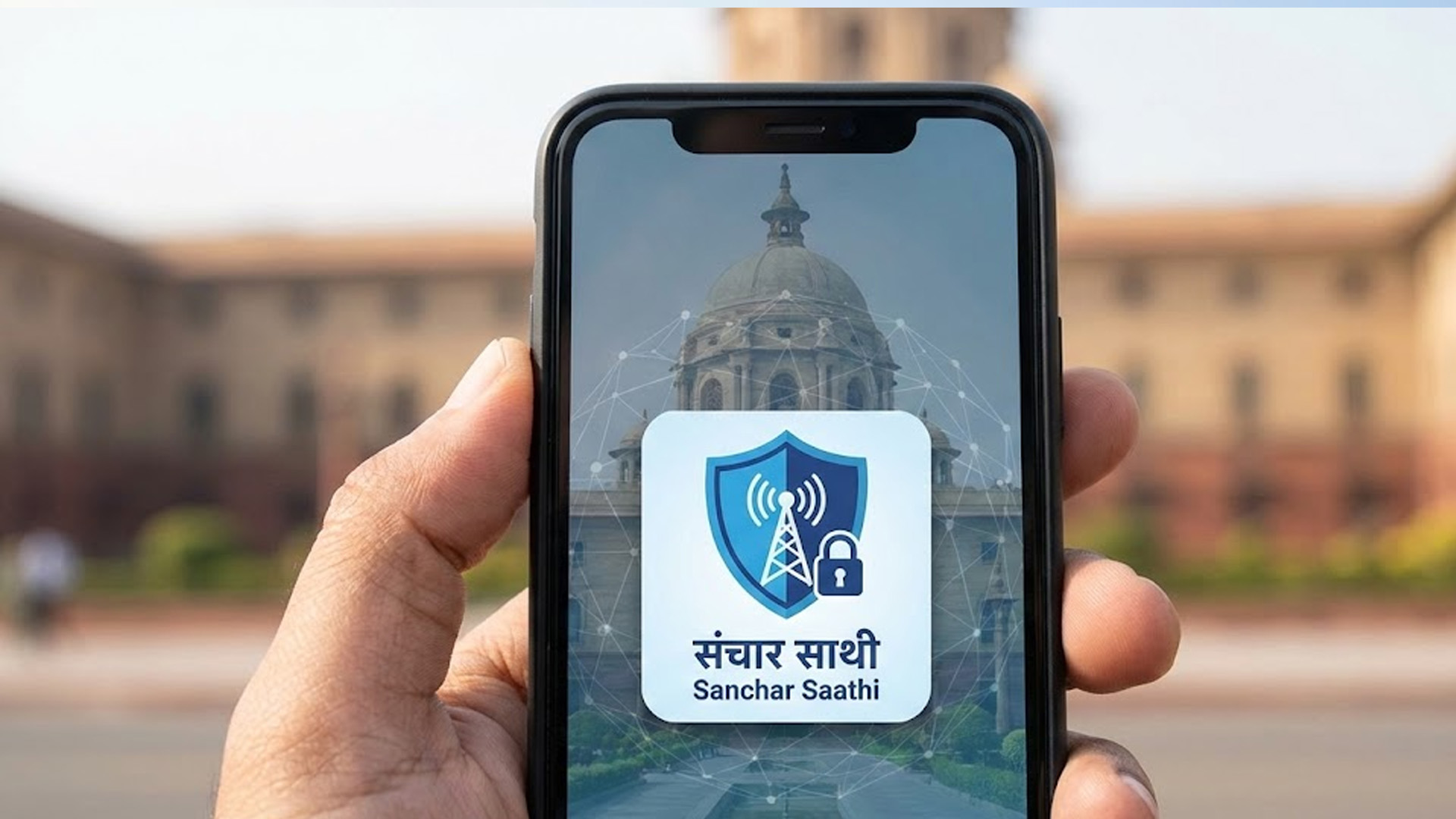
In a major development unfolding in India’s digital and telecom space, the government-backed app Sanchar Saathi — originally mandated to be pre-installed on all smartphones sold in the country — has been declared “optional” for users to keep or delete. The clarification comes amid mounting privacy concerns, legal debate over user consent, and widespread criticism from civil society and opposition parties.
What is Sanchar Saathi — and why was it mandated
Sanchar Saathi, developed by the Department of Telecommunications (DoT), is a cybersecurity and consumer-safety platform. It aims to help users and authorities tackle mobile-related fraud, prevent misuse of SIM connections, track and block lost or stolen phones via IMEI, and report suspicious calls, messages, or phishing attempts.
Under a directive issued on November 28, 2025, all smartphone manufacturers and importers — including major brands — were instructed to pre-install the app on every device destined for sale in India. The order mandated the app be “readily visible” at first setup, fully functional, and — in earlier drafts — not uninstallable by users.
The government defended the move as necessary to strengthen telecom cyber-security, curb fake or tampered-IMEI handsets, and reduce fraudulent SIM connections — especially relevant given India’s large second-hand phone market and history of telecom frauds.
What Sanchar Saathi does — and the permissions it seeks
Beyond IMEI-related features, the app offers tools for users to report fake or spam calls/SMS, identify suspicious mobile connections issued in their name, and block stolen devices across networks. If a lost phone is reported, its IMEI can be blacklisted so that even a SIM swap renders the device unusable across networks.
However, critics and technical analyses have flagged that the Android version of the app requests extensive permissions — including access to call logs, the ability to manage phone calls, send SMS messages (used for automatic registration), access to storage/files, camera/photos (on some versions), and possibly network information.
These permissions raise serious privacy and surveillance concerns, especially if the app is pre-installed and cannot be uninstalled by default. That would give the state a direct presence on every Indian smartphone — whether the user wants it or not.
Pushback — Privacy, Consent, Legal Worries
The directive sparked immediate backlash. Legal experts, digital-rights groups, opposition parties and common users called the move a “digital overreach,” arguing it violates the fundamental right to privacy and undermines user consent.
Critics emphasized the conflict between what was written in the DoT order (non-removable, default install) and what the government is now verbally stating — that the app is optional. They describe this as a “grey area” that undermines trust and leaves users uncertain if uninstalling is truly effective or if the app continues to run background tasks.
Some opponents even likened the move to state-level surveillance — a “new avatar” of intrusive tracking.
Government’s Response: Optionality & Safety Emphasis
Faced with outcry, the Jyotiraditya Scindia — India’s Communications Minister — clarified that Sanchar Saathi is not mandatory for users. He stated repeatedly that smartphone owners are free to delete it, and registration is optional. If a user chooses not to register, the app effectively remains inactive.
Scindia also defended the initiative as a consumer-centric move — aimed at curbing phone theft, fake SIM misuse and telecom fraud — rather than a surveillance tool.
According to DoT data cited by officials, since its 2023 launch, Sanchar Saathi has already helped block many fraudulent mobile connections, track stolen devices, and assist some users in recovering lost phones.
What It Means for Users — Should You Keep It or Delete It?
For smartphone users in India, Sanchar Saathi presents both potential benefits and real risks. On one hand:
- If you often buy second-hand phones, the IMEI verification and CEIR-based blocking tools might help avoid fake or blacklisted devices.
- If you lose your phone, you have a route to block it swiftly across networks — improving chances of preventing misuse or theft abuse.
- You get a mechanism to report suspicious calls/SMS, which can be especially useful given rising telecom frauds and phishing attempts.
On the other hand:
- The extensive permissions requested — call logs, messaging, storage, camera — pose a privacy trade-off. Even if the government promises no intrusive surveillance, technical access could be misused.
- There is ambiguity about whether “uninstalling” ensures total removal or if residual background permissions remain.
- For many users, default-preinstalled apps remain even if “optional,” and awareness about removal might be low — meaning large numbers might continue with the app without conscious consent.
What Comes Next — Debate, Legal Challenge & User Vigilance
As of now, the government’s softening of policy — by calling the app optional — has cooled some heat. But many cyber-rights experts argue the underlying privacy and consent issues remain.
There could be petitions or legal interventions challenging the DoT’s mandate on the grounds of fundamental privacy rights. Meanwhile, citizens and consumer-awareness groups may launch campaigns to educate users about their rights to delete/uninstall, disable permissions, or avoid registration.
For everyday users, the key lies in informed choice: if you value device-level security against theft or fake phones, Sanchar Saathi may offer benefits. But if you prioritize privacy and minimal data sharing, you may choose to uninstall it — and ensure you disable permissions thoroughly.
As India embraces digital-first telecom solutions, Sanchar Saathi’s fate may shape future policy around balance between security and privacy — and whether state-backed tools on personal devices can ever avoid distrust in a privacy-aware age.